Construction Terms, Explained Simply
"Confused by construction jargon? This guide simplifies common construction terms, making them easy to understand for homeowners, contractors, and industry professionals. Learn essential terminology related to materials, blueprints, project management, and more. Enhance your construction knowledge today—read now!"
2/21/20255 min read


The world of construction is vast and complex, often filled with jargon that can leave even seasoned professionals puzzled. Whether you’re a homeowner planning renovations, a student exploring architectural studies, or just naturally curious, grasping common construction terms can enhance your understanding and involvement in projects. This blog post breaks down some of these terms in a fun and easy-to-follow way. Let’s jump into the construction scene with enthusiasm and clarity!
Understanding the Essentials of Construction Vocabulary
Stepping into the construction world is like learning a new language. Various phrases and technical terms pop up that may confuse you. But don't worry! With a little guidance, you can become fluent in this lingo
Construction terminology usually revolves around three key areas: materials, processes, and roles. Knowing these categories will make it easier to communicate with contractors and workers. This familiarity can significantly improve your experience when taking on a project.
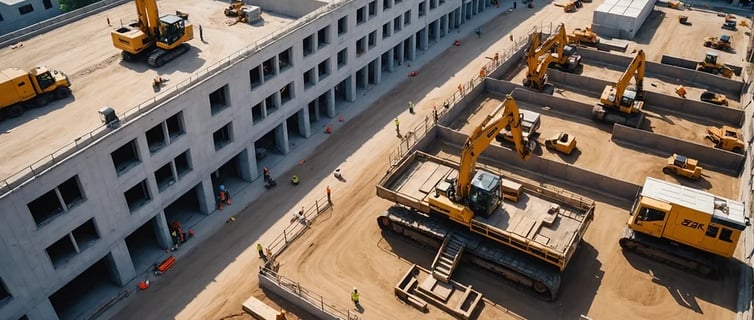
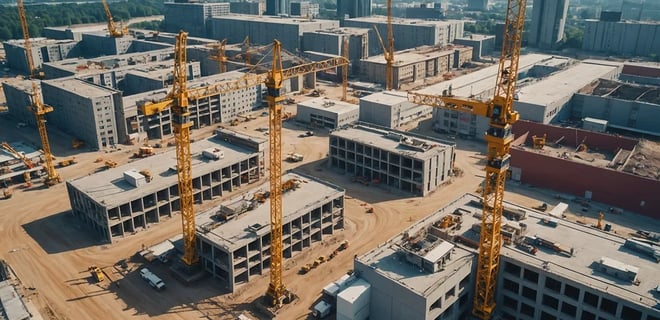
A bustling construction site showcasing various materials and machinery
Key Construction Terms You Should Know
1. Foundation
The foundation is the base of a building, and it often includes concrete to support the entire structure. It's essential because it determines the stability and longevity of your building. For example, homes built on solid foundations have a 70% lower risk of major structural issues compared to homes without proper foundation work.
2. Framing
Framing is the skeletal structure of a building, composed of beams, columns, and walls. Think of it as the "bones" of the house. Proper framing is crucial; buildings with well-executed framing can endure winds of up to 150 miles per hour, which is vital in hurricane-prone areas.
3. Blueprint
A blueprint is a detailed architectural plan that outlines the design and specifications of a structure. Having a great blueprint is necessary for all construction projects, as 90% of successful builds rely heavily on accurate planning.
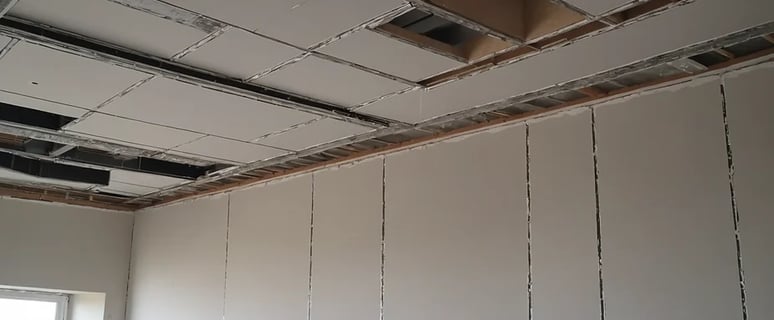
4. Drywall
Drywall is a construction material made from a layer of gypsum between paper or fiberglass. It quickly creates interior walls and ceilings. In fact, using drywall can cut construction time in half compared to traditional plaster, making it a popular choice for builders.
5. HVAC
HVAC stands for Heating, Ventilation, and Air Conditioning. This system is critical for maintaining comfort, regulating temperature, and improving air quality within the building. Proper HVAC systems can improve energy efficiency by 30%, saving homeowners substantial heating and cooling costs over time.
6. Load-bearing Wall
This type of wall supports weight from above, such as roofs or upper floors. If you want to modify or remove a load-bearing wall, you should consult a structural engineer. Without proper guidance, you risk causing serious damage—around 30% of all structural issues stem from improper wall modifications.
7. Permit
Before commencing any construction project, you need permits from local authorities. Permits ensure that your project complies with zoning laws and safety regulations. Projects without permits can lead to fines and legal trouble, with potential costs escalating to 10% of the total project budget.
8. Punch List
A punch list is a document detailing tasks or items to be completed before the project is officially finished. It usually surfaces at the end of a construction project and helps contractors confirm that everything has been completed to satisfaction, reducing callbacks by approximately 25%.
9. Renovation vs. Restoration
Renovation involves updating or improving an existing structure without strictly adhering to its original style. In contrast, restoration aims to return a building to its original state. Learning the difference can help you express your project goals more clearly to your contractor.
10. SOQ (Statement of Qualifications)
An SOQ is a document prepared by a contractor outlining their experience, skills, and ability to complete your project. For homeowners seeking trustworthy contractors, an SOQ can help filter options, ensuring they choose professionals with a proven track record.
An installation process of drywall highlighting a key construction step
Unpacking Construction Processes
Construction processes vary based on project types, including residential, commercial, or industrial builds. Here’s a brief overview of essential processes involved:
Planning and Design
The planning phase is where dreams take shape. This stage involves conceptualizing the final project, obtaining necessary permits, hiring the right professionals, and selecting materials. A well-planned project stands a 40% better chance of staying on budget and schedule.
Site Preparation
Once the design is finalized, site preparation begins. This process includes clearing the land, performing excavation, and ensuring proper drainage. Effective site preparation reduces future risks, minimizing expensive alterations by 20%.
Construction
This is where everything comes together. The construction phase encompasses pouring the foundation, framing, roofing, and finishing work. Skilled tradespeople handle each stage, ensuring quality results.
Finishing Touches
Finishing touches can elevate or compromise a project. This stage includes everything from painting and installing fixtures to landscaping. Detailed finishes can increase property value by an average of 15%, making it worth the investment.
The Role of Professionals in Construction
Every project involves various professionals, each playing specific roles. Here are a few key players you should familiarize yourself with:
1. General Contractor
A general contractor (GC) oversees the entire construction project, managing timeline and budget, coordinating subcontractors, and ensuring quality. They are your main point of contact for updates and questions.
2. Architect
An architect designs the building and spaces, ensuring they are both aesthetically pleasing and functional. They create blueprints and collaborate closely with general contractors, harmonizing creativity with structural integrity.
3. Engineer
Structural, mechanical, or electrical engineers handle the technical aspects of construction. They ensure designs can be safely built and that systems work efficiently and effectively.
4. Surveyor
Surveyors measure and map land to determine property boundaries and features. Their work ensures that construction is compliant with zoning laws and regulations, which can save you legal complications in the future.
5. Subcontractor
Subcontractors are specialized teams that handle specific tasks, such as plumbing, electrical work, or roofing. Hiring subcontractors allows general contractors to ensure skilled trades are applied efficiently.
Maintaining Safety and Compliance
Safety is critical in construction. Adopting best practices and complying with regulations protects everyone on-site. Here’s what you need to remember:
Safety Gear
Wearing proper safety gear—hard hats, gloves, safety glasses, and steel-toed boots—is mandated. Construction sites are hazardous places. Proper attire minimizes risks significantly.
OSHA Guidelines
The Occupational Safety and Health Administration (OSHA) sets safety standards. Familiarizing yourself with these guidelines protects workers and greatly reduces the likelihood of accidents. Construction sites with robust safety protocols see up to a 60% reduction in injury rates.
Regular Inspections
Conducting routine safety inspections ensures compliance with safety codes. Regular checks on equipment, scaffolding, and electrical systems can prevent potential dangers. Proactive safety measures save money and lives.
An extensive view of construction safety protocols implemented on-site
Summary of Construction Essentials
The construction industry may appear overwhelming due to its technical language and varied processes. However, by becoming familiar with common construction terms, you can navigate this exciting field with confidence. Whether you are starting your project or wishing to learn more about construction practices, understanding these essential terms will enhance your experience.
The construction world evolves continually. Staying informed about the latest terms and trends empowers you in your journey. Embrace this learning adventure and let your knowledge shine. Happy building!