Embarking on a Construction Adventure: Navigating the Unknown Timeline Ahead!
"Starting a construction project? Uncover the challenges and uncertainties of construction timelines in this insightful guide. Learn how to navigate delays, manage expectations, and ensure a smooth project journey. Whether you're a builder or a client, get expert tips to stay on track. Read now!"
2/21/20255 min read


Starting a construction project is like going on an adventure filled with excitement and new possibilities. The thrill of seeing a project come to life is an amazing experience! However, understanding the construction project timeline is essential for ensuring a smooth journey. In this post, we will break down the key phases of a construction project and give you a clearer picture of what to expect along the way. Let’s dive in!
Understanding the Construction Project Timeline
A construction project timeline maps out the sequence of tasks, guiding everyone involved from start to finish. Being aware of what happens in each phase will help you appreciate the entire journey and ease your mind during the process.
Typically, a construction timeline is divided into four main phases:
Planning and Design
Pre-Construction
Construction
Post-Construction
Let’s dig deeper into each of these stages to understand them better.
Planning and Design
The first stage of any construction project is planning and design. This phase is all about developing the project’s vision, estimating the budget, and determining the scope of work. Collaborating with experts like architects and engineers can significantly enhance this process.
During this phase, you can expect:
Concept Development: Bringing together ideas to create a solid vision. For instance, if you’re building a house, you might explore styles from modern to traditional.
Feasibility Studies: Evaluating the project’s practicality, including checking local zoning laws and environmental regulations. Many projects fail at this stage due to overlooked compliance issues.
Blueprint Creation: Producing detailed architectural drawings that show how the completed project will look. A well-designed blueprint can reduce costly changes during construction.
Permitting: Securing necessary permits from local authorities. For example, in Los Angeles, securing permits can take from a few weeks to several months, depending on the project’s complexity.
This phase can take about one to six months based on the project size and intricacy.
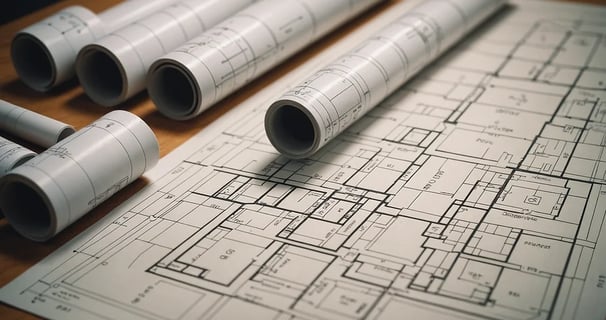
Blueprints marking the beginning of a construction project
Pre-Construction
Following planning and design, the pre-construction phase focuses on preparation before breaking ground. This stage includes several critical steps:
Budgeting: Creating a precise budget that reflects cost estimates presented by contractors. Did you know that cost overruns in construction can average around 10% due to unexpected expenses?
Hiring Contractors: Selecting skilled professionals who will carry out the work. Seeking recommendations and checking references can help ensure you choose the right team.
Site Preparation: Involving land clearing, excavation, and grading to set up the construction site. If the project is in a hilly area, for example, you might need extensive grading to stabilize the land.
Scheduling: Developing a detailed timeline that outlines project milestones. Having a clear schedule can help everyone stay on track.
This phase is crucial for laying the groundwork for a successful build and can take around one to three months.
Construction
Now, the excitement really begins! The construction phase is when plans transform into reality, and structures start to take shape. Key aspects of this phase include:
Ground-Breaking Ceremony: This often marks the official start of construction and can include a fun event with stakeholders to celebrate what's ahead.
Site Management: Continuous oversight ensures that the project remains on schedule. A project manager often coordinates daily activities and resolves any emerging concerns.
Construction Activities: A flurry of operations happens, like framing, plumbing, and electrical work. Depending on the project size, the labor force can range from a handful to hundreds of workers.
Regular Inspections: Routine inspections are vital to uphold quality and safety standards. Did you know that inspections can catch 90% of safety issues before they become serious problems?
Expect this phase to be the longest, ranging from six months to two years or more, depending on the project's scope.
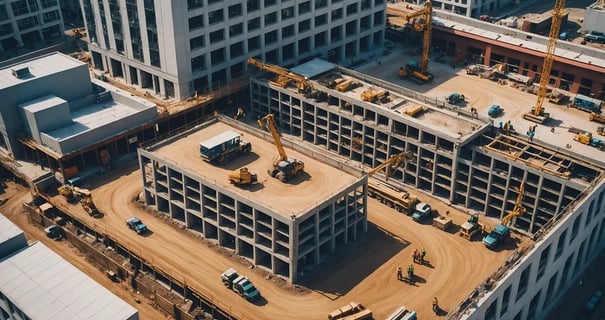
Construction workers actively building a new structure
Wrapping Up the Project
Once construction wraps up, the project moves into the final phase. This stage is about completing all remaining tasks and ensuring everything is in order. Important elements include:
Final Inspections: Making sure all work complies with regulations and contracts. This can often involve inspections from multiple agencies.
Punch List: A checklist of minor fixes or adjustments needed before the project can be considered complete. For example, ensuring all light fixtures are functioning correctly is a common punch list item.
Handover: Delivering the finished project to the client along with important documentation, such as warranty papers.
Feedback: Collecting insights from everyone involved to evaluate and learn for future projects.
This phase usually lasts from one to three months.
Timeline Expectations
Every construction project varies, and timelines can be affected by several factors such as:
Planning and Design: 1 to 6 months
Pre-Construction: 1 to 3 months
Construction: 6 months to 2 years or more
Post-Construction: 1 to 3 months
While these estimates are not rigid, they provide a helpful guideline for what to expect in your project.
Factors Influencing the Timeline
Many elements can influence the overall timeline of a construction project, including:
Weather Conditions: Bad weather can slow down work immensely. For instance, heavy rains can delay outdoor tasks by days or weeks.
Approval Delays: Lengthy permit processes can impact the schedule. In some cities, waiting for permits can add 20% to project timelines.
Supply Chain Issues: Delays in getting crucial materials can stall construction. Global events have shown that material shortages can range from minor delays to significant setbacks.
Site Conditions: Unexpected issues can arise during site work, such as discovering contaminated soil, causing project delays.
Being aware of these factors can help you manage potential setbacks effectively.
Communicating Throughout the Process
Effective communication is vital in construction. Having a solid communication plan with all key players—clients, contractors, and designers—will promote collaboration and help resolve issues quickly.
Regular meetings should:
Update everyone on project progress and upcoming milestones.
Discuss any challenges that could impact timelines.
Adjust plans responsively to address changes in scope or budget.
Open communication channels will help you tackle the construction journey with confidence!
Embracing the Adventure
Starting a construction project might seem daunting, but it’s an adventure filled with unique challenges and chances for creativity. By understanding the timeline and embracing the experience, you can uncover unexpected rewards along the way.
Keep these tips in mind:
Stay organized and utilize project management tools to keep track of everything.
Build strong relationships with your team and stakeholders for better collaboration.
Celebrate small wins to maintain motivation through the process!
With the right attitude and well-laid plans, your construction adventure will transform from a challenging task into a rewarding experience!
Summary of Your Construction Journey
Navigating your construction project timeline is essential for achieving a successful outcome. By understanding the phases—from planning and pre-construction to construction and post-construction—you can manage the process effectively.
Anticipating challenges and fostering open communication will help keep your project on course while enhancing collaboration among all involved. Most importantly, remember that while timelines may shift, the experience can be incredibly rewarding when approached with enthusiasm and flexibility.
As you embark on your construction journey, keep in mind: the timeline may not always align with your expectations, but the experience is yours to enjoy! Happy building!
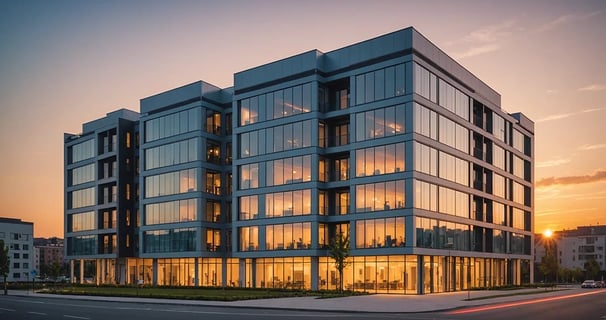
A completed construction project basking in the golden light of sunset