The Future of Construction: Tech and Trends.
"Explore the future of construction with cutting-edge technologies and emerging trends revolutionizing the industry. From AI-driven automation and 3D printing to sustainable materials and smart infrastructure, discover how innovation is shaping modern construction. Stay ahead with insights on what’s next in the built environment. Read now!"
2/21/20255 min read


The construction industry is on the verge of a major transformation, driven by exciting new technologies and innovative trends. These advancements are fundamentally changing how projects are designed, built, and maintained. With a focus on efficiency and sustainability, the future of construction not only promises to boost productivity but also to create buildings that meet the needs of modern society.
As we explore these recent developments, it is crucial to understand how technology is changing the construction landscape. This blog post will highlight key trends and tools that will shape the future, ensuring that professionals in the industry are prepared to succeed in this fast-paced environment.
The Rise of Building Information Modeling (BIM)
Building Information Modeling (BIM) is a leading technology in construction today. This digital tool allows architects and construction professionals to create detailed 3D models of buildings.
BIM enhances visualization during the design phase and encourages collaboration among teams, reducing mistakes and rework. For instance, statistics show that projects using BIM experience up to a 40% reduction in project delivery times. By simulating different construction scenarios through real-time data and algorithms, BIM helps teams Spot challenges before they arise on-site.
As more professionals adopt BIM, project quality improves immensely, fostering creative design and faster project completion.
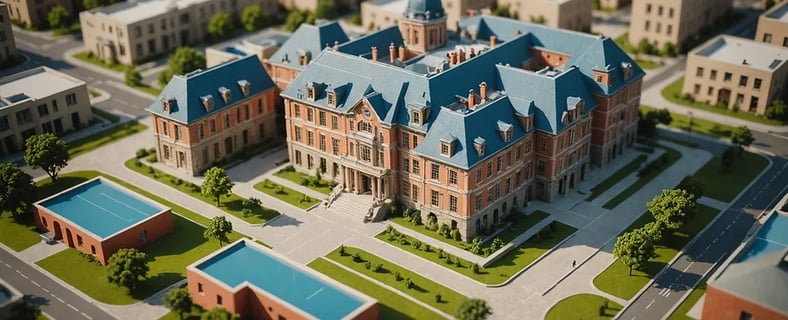
Architectural model showcasing detailed design planning.
3D Printing: Building the Future Layer by Layer
Imagine constructing a building with materials printed right on-site. This is not a futuristic dream; it's happening today. 3D printing technology allows for the creation of construction materials where they are needed, significantly reducing waste and transportation costs.
Currently, projects using 3D printing can be built up to 50% faster than traditional methods. This technology is particularly advantageous for remote locations where conventional materials are hard to find. Moreover, sustainable materials used in 3D printing support eco-friendly construction practices and contribute to global sustainability initiatives.
As the technology progresses, we can expect 3D printing to reshape the way we construct buildings.
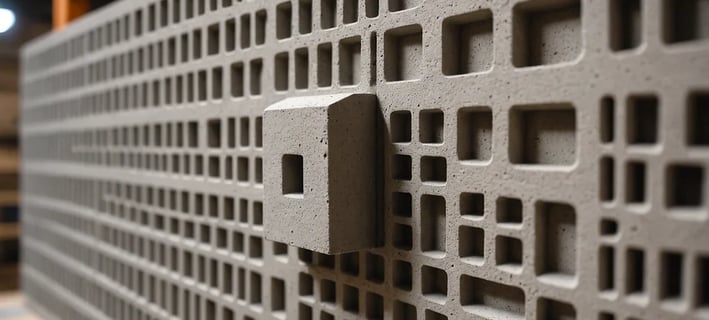
3D printed concrete wall demonstrating innovative building techniques.
Drones: Elevating Project Surveillance and Management
Drones have become vital tools in the construction sector. Equipped with high-resolution cameras, these aerial vehicles provide real-time data and images that greatly improve project management and site oversight.
Using drones enables construction managers to conduct inspections and monitor project progress more efficiently. This technology can reduce inspection times by up to 75%, allowing for swift identification of potential problems.
Moreover, the data gathered by drones can be integrated with other construction technologies like BIM, offering a complete picture of the project's status. As drone capabilities continue to improve, they will likely become crucial in maintaining project timelines and budgets.
Smart Wearables: Enhancing Safety and Efficiency
The construction industry is known for its safety challenges, and smart wearable technology is here to help. Devices such as smart helmets with integrated communication and vests with sensors can track worker movements and monitor environmental conditions.
These wearables can identify hazards and provide alerts, helping to create safer workspaces. For example, a study found that using smart wearables can reduce workplace incidents by as much as 30%. Additionally, by gathering data on worker productivity, companies can streamline workflows and boost efficiency.
Incorporating these technologies into daily operations is no longer optional; it is essential for enhancing safety and productivity.
Sustainability: The New Gold Standard
Modern construction is increasingly centered around sustainability. Companies recognize that environmentally friendly construction is not only beneficial for the planet but also makes economic sense.
Innovations such as green building materials and energy-efficient designs are transforming conventional methods into sustainable practices. Sustainable buildings typically have a lower operational cost due to energy savings—research shows that these buildings can save up to 40% on energy bills.
Furthermore, adopting sustainable practices fosters resilience against climate change and benefits local communities by using regional materials and resources.
Modular and Prefabricated Construction: Speed and Efficiency
Modular construction is rapidly emerging as a way to speed up building processes. In this method, components are manufactured off-site and assembled on-site.
This approach can cut construction time by 20-50%, as it limits the amount of on-site labor required. It also ensures better quality control since components are made in a factory setting.
As cities face increasing housing demands, modular construction is positioned to provide rapid solutions, particularly for affordable housing shortages.
Artificial Intelligence: Predictions and Automation
Artificial Intelligence (AI) is making significant strides in the construction field, enhancing decision-making and operational efficiency.
AI technologies, such as predictive analytics and machine learning, provide valuable insights that help in managing timelines and resources. Automating routine tasks reduces errors and speeds up project execution. For instance, AI-driven systems can now manage supply chains with precision and predict logistical needs, leading to minimized waste and higher profitability.
As AI continues to advance, construction professionals will be better equipped to make informed decisions and optimize project results.
Augmented Reality (AR) and Virtual Reality (VR): The Future of Design and Training
The advent of AR and VR is changing how architects and builders plan and engage with spaces. Virtual reality allows immersive walkthroughs of projects before they are built, enabling clients to visualize their futures.
Augmented reality overlays helpful digital information onto physical spaces, improving collaboration and providing real-time updates on-site conditions. This technology improves training by simulating construction tasks, preparing workers for real-world challenges and shorting their learning curves.
The Internet of Things (IoT): Creating Smart Construction Sites
The Internet of Things (IoT) is turning construction sites into interconnected environments. Smart devices monitor equipment and worker performance, enhancing operational efficiency.
For example, smart sensors can predict machinery failures, allowing for timely maintenance that reduces downtime. Incorporating IoT can lead to significant cost savings—data suggests potential reductions of up to 20% in project spending.
The future of the construction industry will involve buildings equipped to communicate with their users and manage resources effectively.
Looking Ahead in Construction Innovation
As we examine the future of construction, it is clear that cutting-edge technologies and innovative practices will redefine the landscape of the industry. The integration of tools like BIM and 3D printing, along with smart wearables and IoT, paves the way for more efficient, sustainable, and safer building projects.
Adopting these advancements not only increases productivity but also prepares the industry for future challenges tied to sustainable development and urban growth. The construction industry is preparing for exciting changes, and those ready to embrace these technologies will lead the way into a brighter future.
Let’s work together to envision a construction landscape that not only meets the demands of tomorrow but also prioritizes innovation and sustainability.